
Multivitamins Linked to Better Functionality in Older People
Most supplements are unnecessary, but this one might offer reasonable insurance from a cost/benefit perspective

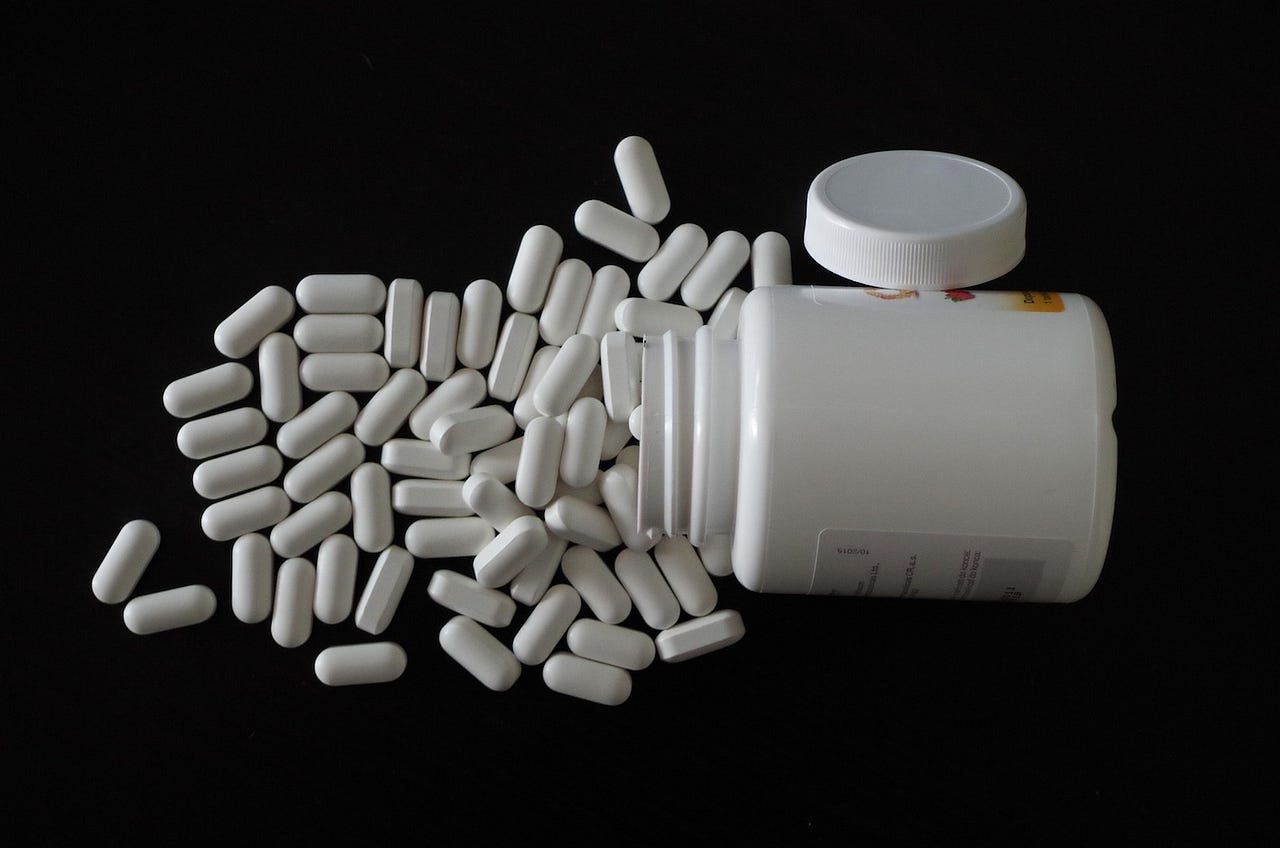
The most important factors that help keep our bodies and minds functioning well later in life — maintaining the ability to move well, perform basic tasks and find joy — are the basics you’ve heard about: Be physically active, eat well, sleep well, find joy and purpose in life and foster good relationships.
But wouldn’t it be nice if there was a pill we could pop that would offer some additional aging benefits?
Most vitamins and supplements are unhelpful for most people, and many come with negative side effects. The promises of longevity gurus are, so far, wildly unfounded.
Standard multivitamins, however, have shown some promise for protecting against poor health, helping prevent disease and cognitive decline.
New research offers a different take, suggesting “a daily multivitamin can help older people maintain day-to-day functioning by helping to preserve cognitive abilities, and it may also benefit blood circulation and physical stamina,” researchers report this week at a meeting of the American Society for Nutrition.
“What makes this work unique is our focus on functional health, how people actually feel and function in their daily lives — rather than just the prevention of major diseases,” said Bayu B. Bekele, PhD, a postdoctoral fellow in the Medical College of Georgia at Augusta University. “For older adults, these findings suggest that a daily multivitamin could be a helpful, low-risk addition to a healthy lifestyle to support physical well-being as they age, although it is not a substitute for a good diet or exercise.”
The study involved data on more than 16,000 people 60 and older. For three years, one group took a daily multivitamin while others took a placebo. The multivitamin group, on average, had “significantly better functional health than those taking a placebo,” Bekele and colleagues concluded.
The research has not been peer reviewed, and it shows an association, not proof of cause-and-effect. But it’s a compelling addition to a body of work suggesting multivitamins can be useful for many people who are getting older.
“Having a shortfall in one or more vitamins or minerals is so incredibly common, and it becomes more common as we get older, or develop a health condition, or have a traumatic event in your life,” said Alexander Michels, PhD, a research coordinator at Oregon State University’s Linus Pauling Institute.
The institute recommends “everyone take a general purpose, inexpensive multivitamin supplement every day,” Michels told me for a previous story. “It’s an insurance policy against the unexpected.”
Reputable multivitamins typically include about 26 vitamins and minerals, from A to zinc, and cost around $2 per month for a daily dose. Check for a USP verification label to ensure what you’re buying has been tested to verify it includes what’s on the label.
And as Bekele and other health professionals advise, check with a health professional first to make sure a multivitamin is right for you, given your individual health profile, diet, and any medications you might use. Far too many people nowadays are taking multiple medications and supplements that can combine to make health worse instead of better.
That in mind, multivitamins certainly look more promising given research advancements in the past decade.
“Multivitamin use supporting heart health and overall physical function may help maintain the ability to perform everyday activities such as dressing, bathing, walking, climbing stairs, jogging or hurrying, and completing household chores,” Bekele said. “These benefits may be particularly relevant for individuals experiencing fatigue, shortness of breath or swelling in the feet, which can limit daily functioning.”
This story first published on Medium.