
Aging Lessons from Sam Neill and Lindsey Graham (and Mitch McConnell, Too)
Obits can teach us a lot about how to live

I’m a habitual obit reader. When I was younger, I thought obits served as a pretty good gauge of how long people lived. Now that I’m older, I find obits to often reflect how well people lived. They be cautionary tales or cause for celebration, depending on the age of the departed, how they approached life, and the circumstances of their demise.
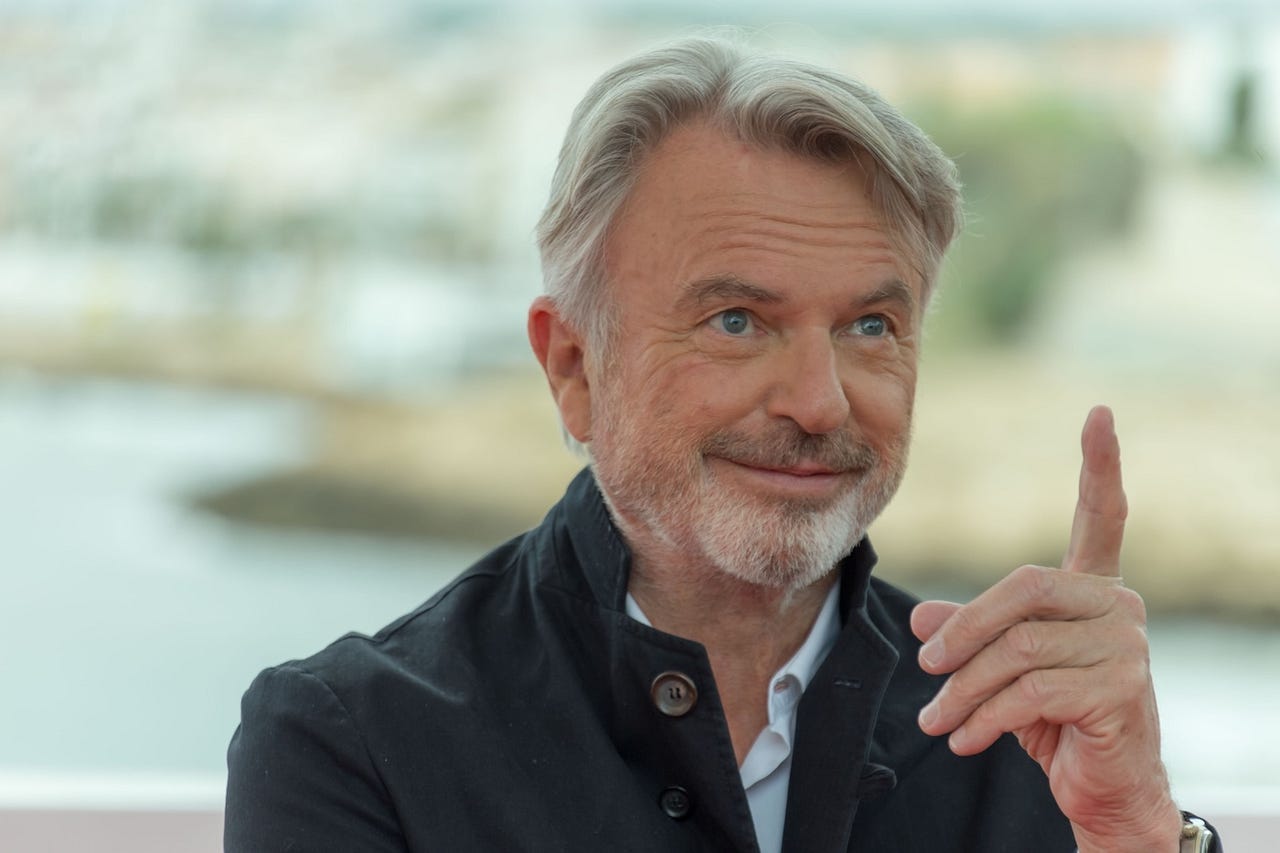
The sudden, unexpected deaths of 78-year-old Jurassic Park actor Sam Neill and that of 71-year-old Sen. Lindsey Graham offer sober lessons on how any of us can go at any time, and they serve as reminders to lean into healthy lifestyle decisions to give us the best chance of the end being later rather than sooner.
The now-no-longer mysterious plight of still-alive Sen. Mitch McConnell, 84, offers a lesson, too. Let’s start there.
Mitch McConnell’s weeks-long absence from Congress, during which rumors of his death were greatly exaggerated, was due to a fall from an unknown cause, he announced, adding that he was briefly unconscious around the time of the fall.
“My doctors have confirmed that I didn’t break any bones or suffer a concussion,” McConnell said. “I didn’t have a heart attack or a stroke. I don’t have any tumors or hemorrhages.”
The senator is fortunate he didn’t break any bones. Falls are the leading cause of accidental death among seniors, and when a bone is broken, stats show that death comes sooner than it would’ve otherwise.
While we don’t know why McConnell fell, a common reason for falls among older people is basic lack of strength, balance and coordination.
The lesson from Mitch McConnell: As I’ve reported before, everyone should do strength training. It’s never too soon (nor too late) to take it up, whether lifting weights, using resistance bands, or simply bodyweight exercises like push-ups.
Lindsey Graham died unexpectedly from a rip in the inner wall of his aorta, the body’s largest artery. The rip was related to a hardening of his arteries, AP reports.
Harding of the arteries, formally called atherosclerosis, is both a narrowing and stiffening of those critical vessels. It’s caused by a buildup of fatty deposits, which forces the heart to work harder and causes high blood pressure.
We don’t need to know why Graham’s arteries got hard to reduce our odds of a similar ending, since the causes are well understood at the population level: lack of physical activity, poor diet, alcohol, ineffective sleep and unresolved stress are among the chief factors.
The lesson from Lindsey Graham: You know the drill: Eat a healthy, balanced diet, stay physically active, and manage your stress through good sleep, good relationships and other wise behaviors.
Sam Neill’s death was “sudden and unexpected,” his family said. The actor previously said he’d been diagnosed with blood cancer but was cancer free.
“I was on chemo for five years,” he told The Guardian. “You can’t eat at all for two or three days after you’ve had chemo. So now, I eat whatever I want. I grow a lot of fruit on the farm — and I’ve just had my breakfast, which involved stewed plums, stewed apricots, and stewed rhubarb, all of which I grow down in the veggie garden.”
We don’t know what Neill died of, but the interview offers glimpses of how he lived: well. From that, we can glean one of life’s biggest lessons:
The Lesson from Sam Neill: You don’t know when that final page will turn. But no matter what chapter of life you’re in, you can improve your odds of writing a happier ending with a healthier existence along the way.
Obits are sometimes depressing, other times inspiring. Either way, I often come away with another lesson that we all need to be reminded of:
No matter how long it is, life is short.
Regardless how old you are now, or how long you think you might live, don’t let 71, 78 or any perceived end point influence how you live today, other than inspiring you to live it well while leaning into healthy behaviors that can up your odds of hanging around a good long while and being well along the way.
Related: 7 Pillars of Healthy and Happy Aging
This story first published on Medium.
Robert Roy Britt, the profound, at least for me, lesson I've learned is to lean into aging, embrace it, and learn from it. My take is that possessing an attitude of graceful aging not only makes one's inevitable aging easier to accept, it actually helps one to age, mentally, emotionally, and spiritually, more slowly & who can ask for more than that?
Stoics are saying : " memento mori", where accepting mortality is viewed as the ultimate catalyst for seizing the day and living with profound purpose. In other words, live in the present and be prepared .